Non sempre le cose vanno come pensi. A volte cambiano in fretta, spostano priorità, stravolgono le libertà.
Ci sono momenti in cui tutto corre troppo in fretta per capire, altri in cui tutto si blocca. Allora analizzi, ti fermi, ti perdi. Ti chiedi se quel che fai ha senso o se sia il mondo intorno a te a non averlo. Ti guardi, ma non riconosci più dove sei.
È in quel momento che ti chiedi cosa si possa fare, ora che siamo qui.
È la mattina del 10 settembre. Katmandu si è svegliata con l’odore di fumo ancora nell’aria. La pioggia della notte ha dato un lieve sollievo, ma il crepitio sommesso dei roghi persiste negli angoli della città.
Dalla finestra della casa della famiglia nepalese che mi ospita, tutto è silenzio. Il vicolo davanti al cancello è vuoto. È un’altra giornata di coprifuoco. Le scuole sono chiuse e i ragazzi restano dentro, come tutti. Solo pochi negozi riaprono timidamente, i rumori sono ovattati. Manca la solita energia: non ci sono auto, soltanto qualche motorino.
Le notizie riportano che nella notte centinaia di detenuti sono evasi, mentre l’esercito è sceso in strada per ristabilire ordine e sicurezza. L’aeroporto resta bloccato fino a data da destinarsi.
Sono passate meno di 24 ore dagli incendi che hanno investito la capitale. Da ieri c’è una generazione che non ha più paura: la Gen Z nepali. Non dopo che venti giovani, lunedì, hanno perso la vita sotto la repressione. Gas lacrimogeni e proiettili sono stati scagliati contro chi chiedeva giustizia. Nemmeno il coprifuoco ha potuto fermare la folla, la stessa che martedì ha nuovamente riempito le strade urlando per un cambiamento.
Il Parlamento federale, le residenze dei politici, gli edifici del potere – hotel, scuole, supermercati – diventano cenere sotto il fuoco della rivolta. Le stazioni di polizia vengono prese di mira e incendiate, costringendo le forze dell’ordine a ritirarsi. È caos totale.
Nel pomeriggio, la notizia delle dimissioni del Primo Ministro KP Sharma Oli accende l’esultanza della popolazione, ma non placa l’ira.
La sera, un fumo denso avvolge Katmandu come una cappa soffocante. Oltre duecento edifici e stazioni di polizia sono andati in fiamme.
La gente torna a casa, si rinchiude, aspetta.
Mentre le ambulanze trasportano i feriti e le forze armate presidiano i punti strategici, il Paese si aggrappa a tre giorni di trattative per la formazione di un governo ad interim, chiamato a ricostruire la stabilità.
Nei giorni seguenti, la città conta e piange più di 70 vittime. Il Nepal si affaccia a un futuro di sfide e speranza, consapevole che il vero cambiamento è solo all’inizio.
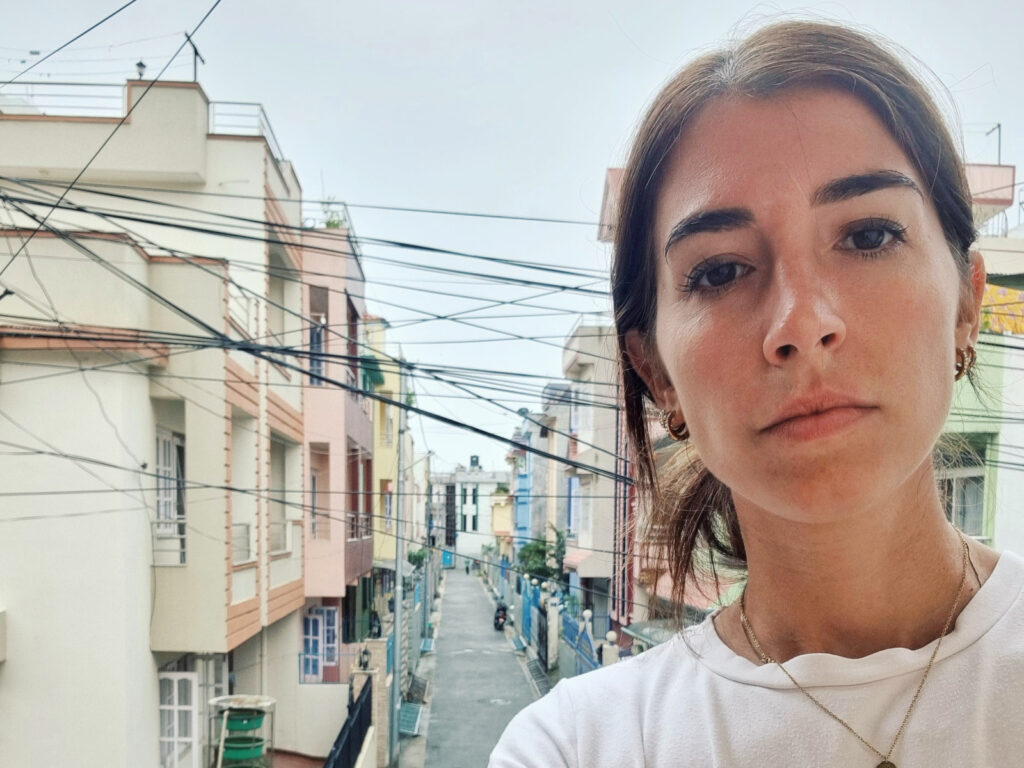
Raccontare ciò che ho visto è difficile. Là tutto è diverso, fatiscente, caotico. Non tutti hanno opportunità, non tutti possono studiare o sognare. La gente si arrangia con quel che ha. Ciò che per noi è poco, per loro è ricchezza.
Capisci davvero che l’essenziale basta. Un tetto, del cibo, tutto il resto è lusso. Qualcosa che solo una parte del mondo può permettersi.
Le differenze ti colpiscono davvero quando le vivi, molto più di quando le senti raccontare o le leggi da lontano. Ed essere lì non ha fatto nessuna differenza, se non dentro di me. In quel movimento inesorabile che è il tempo, capisci di non poter fermare nulla, ma di poter imparare molto.
Non ho fretta di scappare da quello che ho visto, né smetterò di sentirmi grata per essere nata ricca di possibilità.
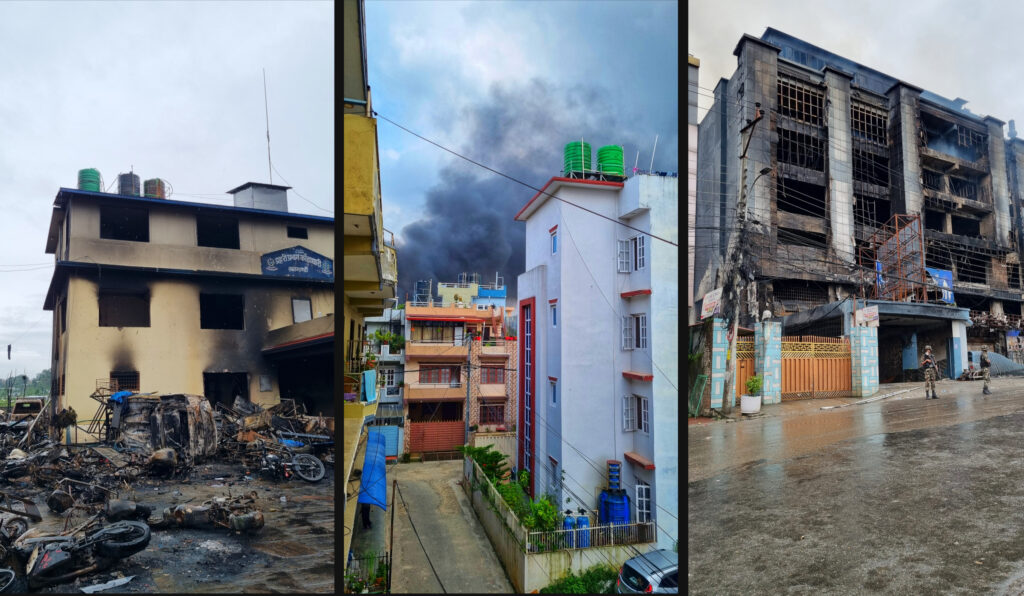
Nepal, ero venuta per volontariato e ho vissuto una sommossa popolare. Non so sempre cosa sia giusto e cosa no, ma so che voglio continuare a fare cose che hanno significato. Il mondo che ho visto è così diverso da quello che ho sempre avuto sotto gli occhi, che voglio solo poter continuare ad essere utile. Che, dato che sono qui, farò del mio meglio per migliorare la vita degli altri. Per dare a loro le stesse opportunità che ho avuto io.
Un giorno qualcuno mi ha detto: “Tu vuoi vedere il mondo. E allora vai”.
~ Translated into English ~
Things don’t always go as you expect. Sometimes they change quickly, shifting priorities and overturning freedoms.
There are moments when everything moves too fast to understand, and others when everything comes to a halt. Then you analyze, you stop, you get lost. You wonder if what you’re doing makes sense or if it’s the world around you that doesn’t. You look at yourself, but you no longer recognize where you are.
It’s in that moment that you ask yourself what can be done, now that we are here.
It’s the morning of September 10th. Kathmandu has woken up with the scent of smoke still lingering in the air. The night’s rain brought some slight relief, but the faint crackling of fires continues in the corners of the city.
From the window of the Nepali family hosting me, everything is silent. The alley in front of the gate is empty. It’s another day of curfew. Schools are closed and the kids stay inside, like everyone else. Only a few shops reopen timidly, and the sounds are muffled. The usual energy is missing: there are no cars, only a few motorcycles.
News reports say that hundreds of inmates escaped during the night, while the army took to the streets to restore order and security. The airport remains closed until further notice.
Less than 24 hours have passed since the fires that hit the capital. Since yesterday, there’s a generation that no longer fears: the Nepali Gen Z. Not after twenty young people lost their lives under repression on Monday. Tear gas and bullets were fired at those demanding justice. Not even the curfew could stop the crowd, the same crowd that again filled the streets on Tuesday, shouting for change.
The federal Parliament, the politicians’ residences, government buildings – hotels, schools, supermarkets – are reduced to ashes by the fire of the uprising. Police stations are targeted and set ablaze, forcing the authorities to retreat. Total chaos.
In the afternoon, news of Prime Minister KP Sharma Oli’s resignation ignites the population’s jubilation but does not quell the anger.
In the evening, thick smoke envelops Kathmandu like a suffocating veil. Over two hundred buildings and police stations have gone up in flames.
People return home, lock themselves inside, and wait.
While ambulances carry the wounded and armed forces guard strategic points, the country clings to three days of negotiations to form an interim government tasked with restoring stability.
In the following days, the city counts and mourns more than 70 victims. Nepal faces a future full of challenges and hopes, aware that real change is just beginning.
Telling what I saw is difficult. Everything there is different, dilapidated, chaotic. Not everyone has opportunities, not everyone can study or dream. People make do with what they have. What is little for us is wealth for them.
You truly realize that the essentials are enough. A roof, food, everything else is luxury. Something only part of the world can afford.
Differences hit you deeply when you live them, much more than when you hear about them or read them from afar. And being there didn’t change anything except what’s inside me. In that relentless movement that is time, you understand you can’t stop anything, but you can learn a lot.
I’m not in a hurry to run away from what I saw, nor will I stop feeling grateful to have been born rich in possibilities.
Nepal, I came for volunteering and lived through a popular uprising. I don’t always know what’s right and what’s not, but I know I want to keep doing things that have meaning. The world I saw is so different from the one I’ve always had before my eyes that I just want to keep being useful. Since I’m here, I will do my best to improve the lives of others and to give them the same opportunities I was given.
One day someone told me, “If you want to see the world, just go.”